Category: William CobbettThe Real MerchantWilliam Cobbett
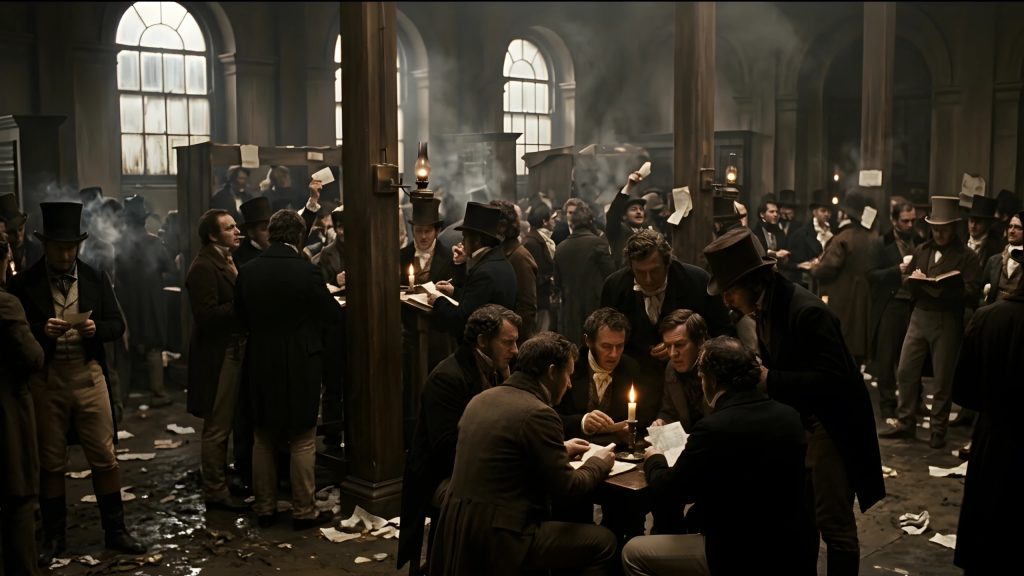
Image Created by Clay Lane using AI
Picture: “It is only when the merchant’s trade becomes a species of gambling, that the commercial system becomes dangerous to the liberties of the people.”
William Cobbett makes a distinction between everyday business and the murky world of Westminster lobbyists and financial speculation.
ByWilliam Cobbett1762-1835
William Cobbett1762-1835
An English radical, journalist, and politician, Cobbett was a fiery voice for the rural working class during the Industrial Revolution. Originally a conservative soldier, he shifted toward reform and founded The Weekly Political Register. Best known for Rural Rides (1830), a vivid critique of agricultural poverty and urbanization, he championed agrarian traditionalism and parliamentary reform.
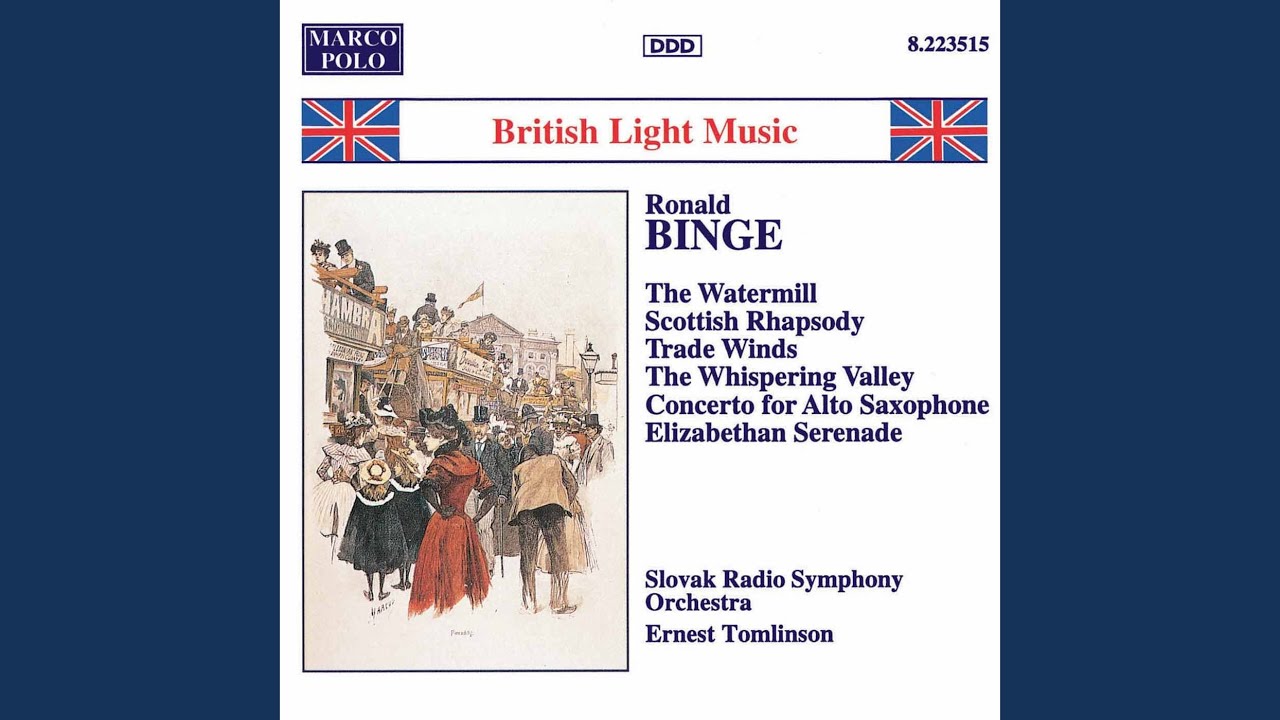
Ronald Binge: Trade Winds(Click to expand video player)
4m 57s
Trade Winds
Binge evokes the strong, steady winds that carried sailing ships to their far-off markets.
William Cobbett, MP for Oldham, was sometimes accused of being anti-trade because he criticised the cosy arrangement between Government, big banks and big business. He replied with his customary vigour, distinguishing clearly between two kinds of commerce, the free trade that promotes liberty and the cronyism that endangers it.
Abridged.
I have always saidIHAVE always said, that, without commerce, and particularly commercial navigation, that this island could not possibly continue to be great; that it could not possibly retain its consequence amongst the nations of Europe. The real merchant, as I have a hundred times observed, is a person to be cherished; his calling is as honourable and as conducive to the good of the country, as that of the farmer.
It is only when his calling is perverted; when his trade becomes a species of gambling; when he trusts more to craft than to industry, prudence, and integrity; when he, if he be so lucky, may become richer than a lord by the speculations of a few days; when his fortune may be made, when the means of bringing five or six members in amongst the representatives of the people, may be obtained in consequence of one valuable hint from a minister, or a minister’s favourite. Then it is that the commercial system becomes dangerous to the liberties of the people and the throne of the king; and then it is that it becomes an object of my reprobation.
For the Writer In You
The Reward for Straightforward English
What reward will be yours if you make the effort needed? Confidence in yourself. However much depends on it, you will be able to put pen to paper without being beaten before you start.